LICENCE
Up to 3,500kg
GOV.UK says a standard car licence covers vans up to 3,500kg, or up to 4,250kg for zero emission electric or hydrogen-powered vans.
Check the limits doodlevan
WHAT GOV.UK SAYS
A van is not just a bigger car.
50 MPH on a single carriageway
4.89 million Licensed light goods vehicles, March 2026
Most people can drive a van on the licence they already have. But the speed limits change, the weight on the plate matters, and a load that shifts can end up in the cab. Here is what the official guidance says.
THE SHORT ANSWER
A standard car licence covers most vans.
The speed limits for vans are lower on faster roads.
LICENCE
GOV.UK says a standard car licence covers vans up to 3,500kg, or up to 4,250kg for zero emission electric or hydrogen-powered vans.
Check the limitsSPEED
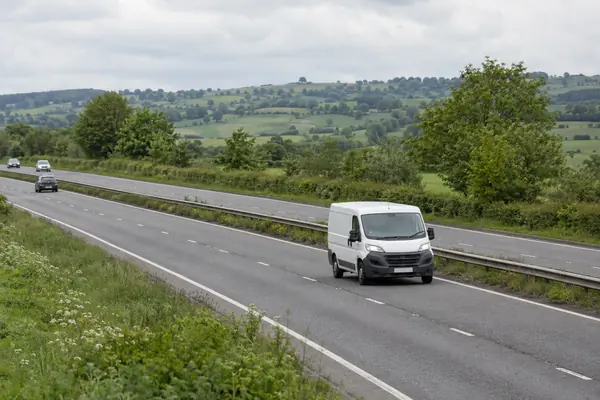
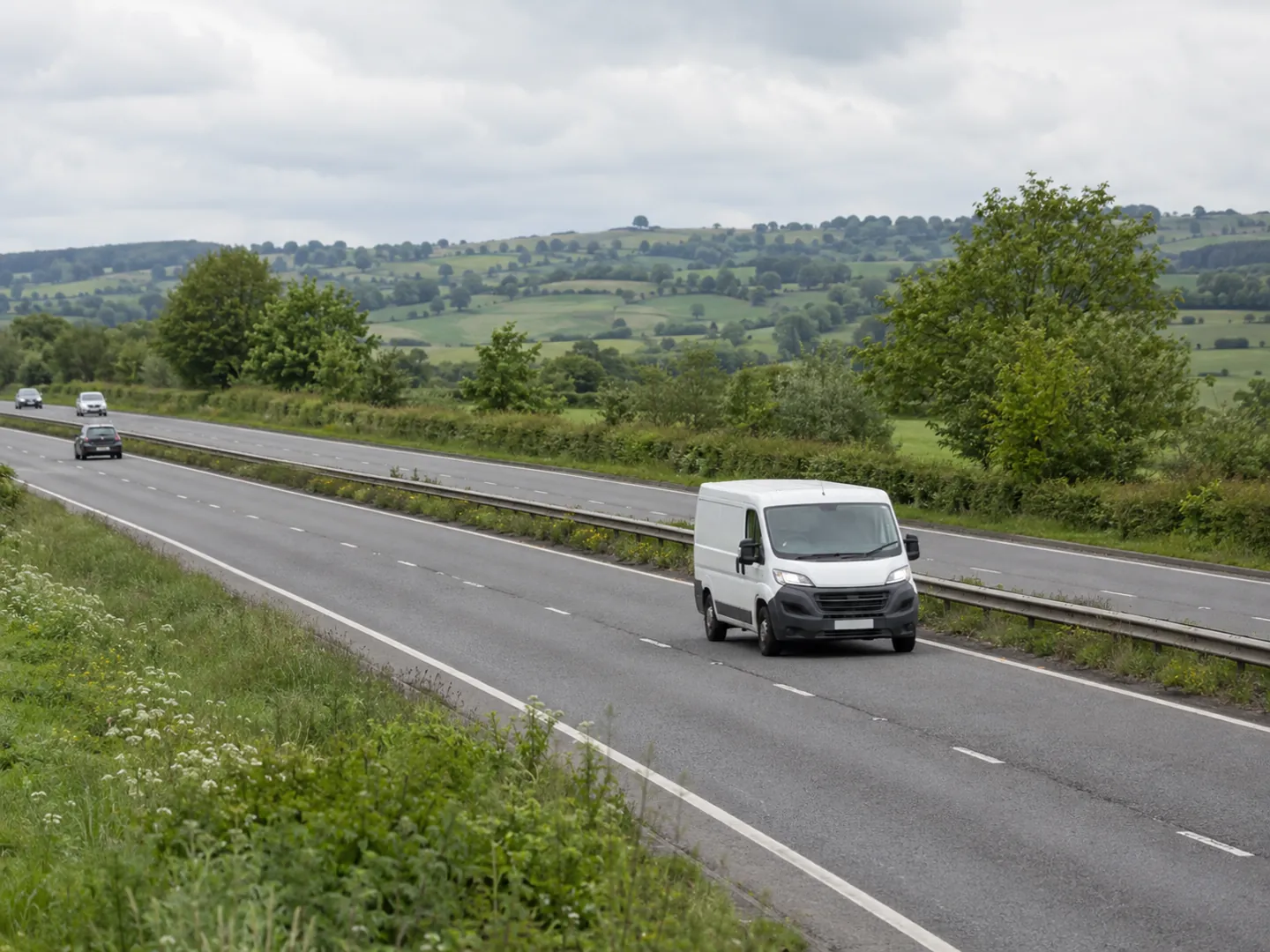
A van's national limit is 50mph on single carriageways and 60mph on dual carriageways, 10mph below a car's. On motorways it is 70mph.
Check a roadLOADING
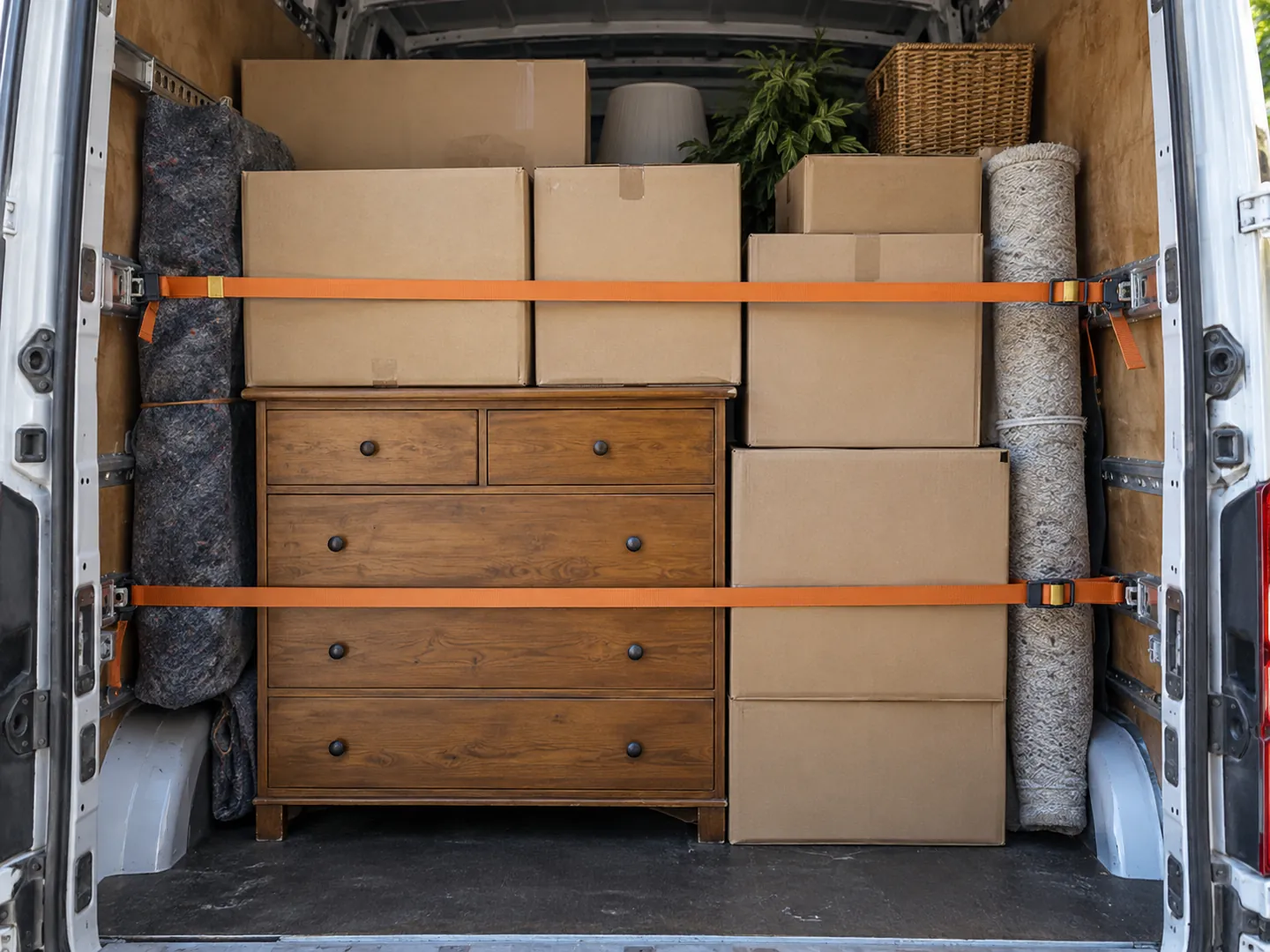
Load evenly, heaviest items lowest, and secure goods with straps or netting. Some vans have no bulkhead, so loose cargo can enter the cab in a crash.
Before you set offA QUICK SPEED CHECK
Pick a type of road to see the national speed limit for a van, and how it compares with a car. The bar shows the van limit.
National limits for vans in England, Scotland and Northern Ireland, from GOV.UK. GOV.UK lists 20mph for built-up areas in Wales.
BEFORE YOU SET OFF
Whether it is a hire van for a house move or one you use for work, these come straight from GOV.UK guidance.
The design gross weight on the VIN plate includes the van, driver, passengers, fuel and load. Stay within it and within each axle's limit.
If you passed your test on or after 1 January 1997, you may need an extra test for vans over 3,500kg or for towing with a van.
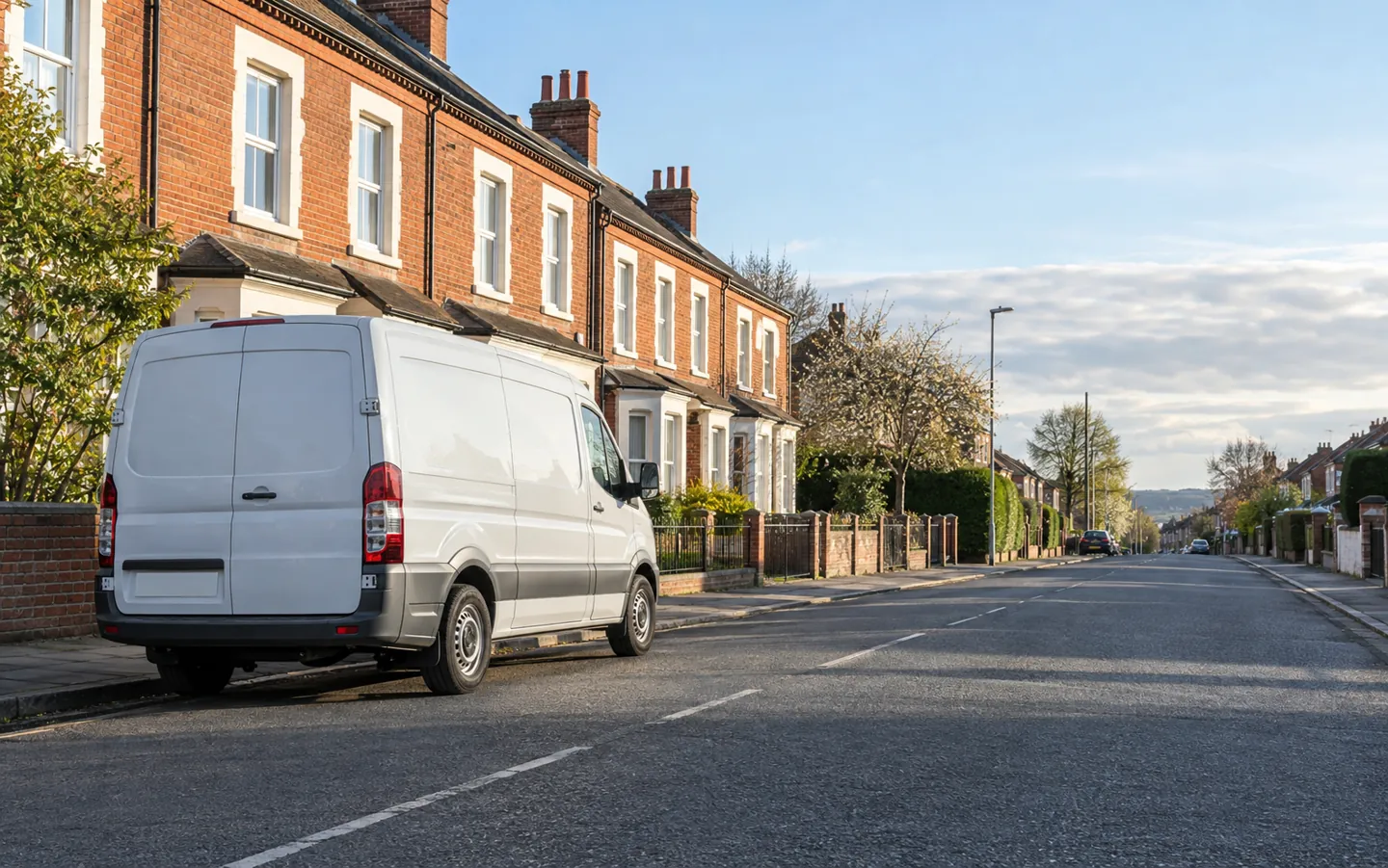
Spread the weight, keep heavy items low and use restraints such as straps and netting so nothing shifts.
Remember 50mph on single carriageways and 60mph on dual carriageways, even in a van that feels like a car.
TWO NUMBERS WORTH KNOWING
How many vans are on UK roads,
and how many of them are zero emission.
4.89 million
Licensed light goods vehicles, March 2026
Department for Transport statistics counted 4,893,161 licensed road-using light goods vehicles in the UK at the end of March 2026.
VANS ON THE ROAD · DfT
2.4%
Share of licensed vans
Of those, 119,123 were zero emission, 2.4 percent of licensed road-using light goods vehicles.
ZERO EMISSION · DfT
In the first three months of 2026, 84,675 light goods vehicles were registered for the first time, down 4.1 percent on a year earlier, according to the same DfT release.
MOTS AND WORK USE
GOV.UK says a van needs an MOT every year once it is 3 years old. Vans up to 3,000kg design gross weight take a class 4 MOT, and vans over 3,000kg up to 3,500kg take class 7.
If you drive a van for a UK business for more than 4 hours a day, the Great Britain domestic drivers' hours rules apply. Towing a trailer with a combined weight above 3.5 tonnes brings tachograph rules into play.
Questions
Usually, yes. GOV.UK says a standard car licence covers vans up to 3,500kg, or up to 4,250kg for zero emission electric or hydrogen-powered vans.
On faster roads, yes. A van's national limit is 50mph on single carriageways and 60mph on dual carriageways, compared with 60mph and 70mph for cars. Both are 70mph on motorways.
No. GOV.UK's speed limits table lists car-derived vans with cars, so they share the car limits of 60mph on single and 70mph on dual carriageways.
GOV.UK says going over the maximum permitted axle weight can lead to a fine of up to £300 or a court summons.
Yes, every year once it is 3 years old, according to GOV.UK. The MOT class depends on the van's design gross weight.
Updated
ABOUT THIS NAME
doodlevan.com is part of the DoodleSale portfolio. It isn't in an auction right now, but you can ask about leasing it.